What does my soulmate look like? Ways to picture them
Nobody can show you a real face. Four ways of picturing your soulmate, what each one gives you, and how a portrait built from your answers works.
By the Soulmate Studio teamPublished 8 min read
What does my soulmate look like? Nobody can show you a real face, and any tool that claims to is guessing. But wanting to picture them is completely natural, and there are several ways to do it, from a quick quiz to a portrait made from your own answers. Here is what each one gives you, what it cannot do, and how to get something from it that lasts longer than the fun.
The short answer
No quiz, birth chart, chatbot or portrait can show what a real future partner looks like. What they can do is help you notice what you are drawn to and put it into words or a face. The useful answer to “what does my soulmate look like” is a description you made yourself and can hold up against real people.
Why we want to picture them
A soulmate is usually described as someone you feel deeply understood by. Merriam-Webster defines it as “a close friend or romantic partner with whom one has a unique deep connection based on mutual understanding and acceptance.” That is a feeling, and feelings are hard to hold onto. A face is easy to hold onto. So people give the feeling a face, the way people have always imagined a person they have not yet met.
There is a small catch. Cheryl Fraser, a psychologist writing on the Gottman Institute blog, describes couples who discover an “unrealistic list of qualities they expect their partner to have,” and notes that “no mere mortal can ever live up to the perfect partner in your head.” A picture is not a list of demands, and it does not need to be. Treated as a mood board, it is harmless and often clarifying. Treated as a checklist, it can get in the way.
Ways to picture your soulmate
Quizzes
Quizzes are the most common route. You answer a series of questions and get a description or an image. Marriage.com, for instance, describes its “What will my future husband look like?” quiz as “a fun, lighthearted way to explore your preferences,” and adds: “There’s no exact science here, just a playful glimpse into your ideal match.”
That is the right way to think about any quiz. It reflects your answers back to you in a form that is easy to share. Enjoy it, and do not read it as a forecast. If you enjoy the guessing, the same rule holds for the next three ways. The same goes for the drawings sold with a psychic’s name attached; we look at what those portraits usually are in what a psychic soulmate drawing looks like, and at the filters behind the social videos in the soulmate sketch trend.
Your sun sign and traditional traits
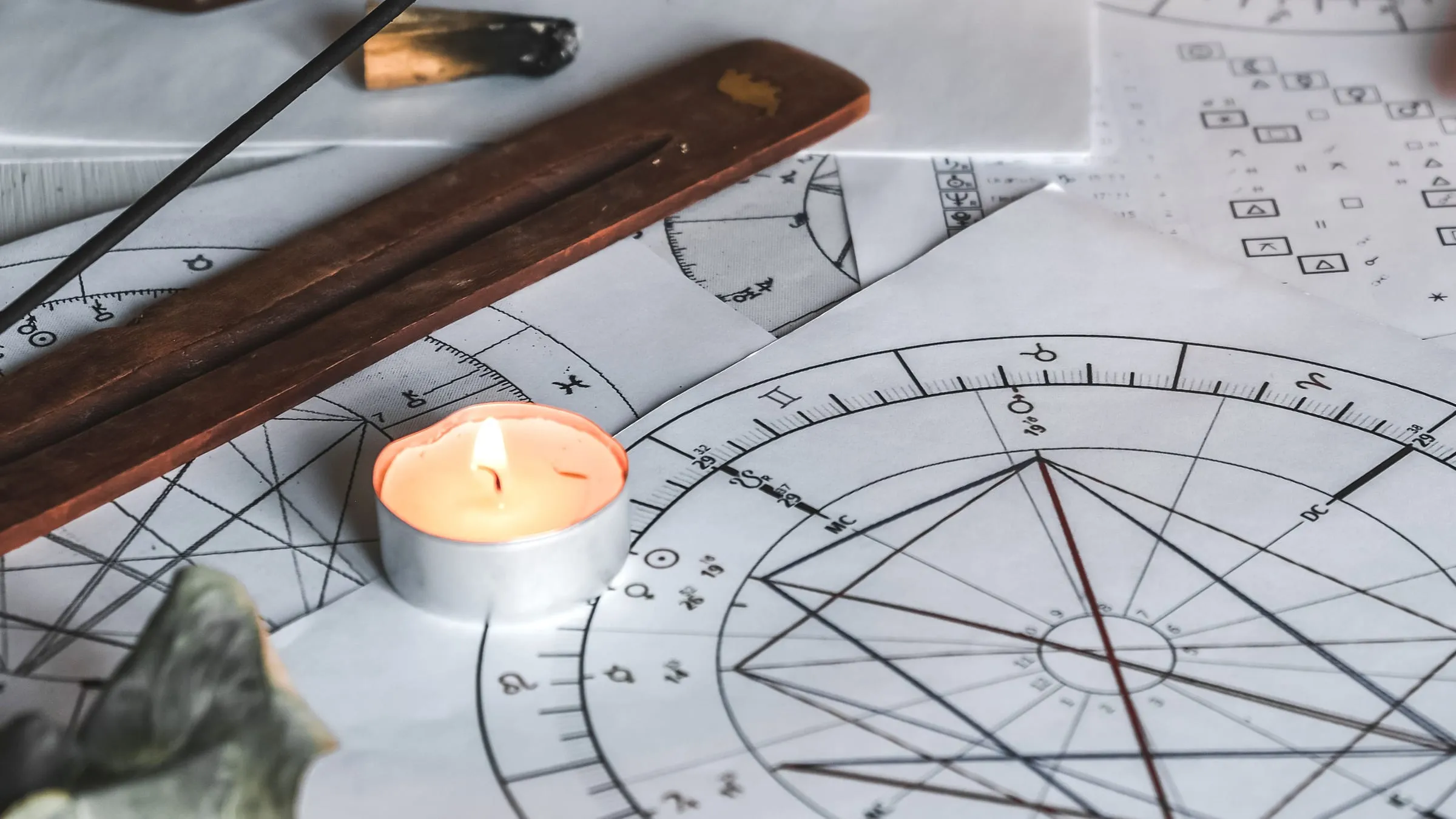
Astrology gives you a language for temperament and a set of traditional matches for each sign. Our guide to soulmate by birth date lists all 12 signs with their traditional matches, and each sign has its own page, from Aries soulmate to Pisces soulmate, with what astrology writers say that sign looks for in a partner. It gives you traits, not faces: astrology does not say what anyone looks like, and it is worth remembering that Britannica states that “astrology is not supported by science. No correlation has been found between birth dates and personality or intelligence.” As a playful way to think about the kind of person you enjoy, it is fine.
Asking an AI chatbot
You can describe your tastes to a chatbot and ask it to write a description of your ideal partner. What you get back is words, shaped by what you typed, and it will sound confident. It is a creative writing exercise, and it can be a decent one, because putting your preferences into a prompt forces you to be specific. It cannot know anyone, and it has no way to tell you what a real person looks like. If it gives you a name, a date or a place, that is invention.
A portrait from your answers
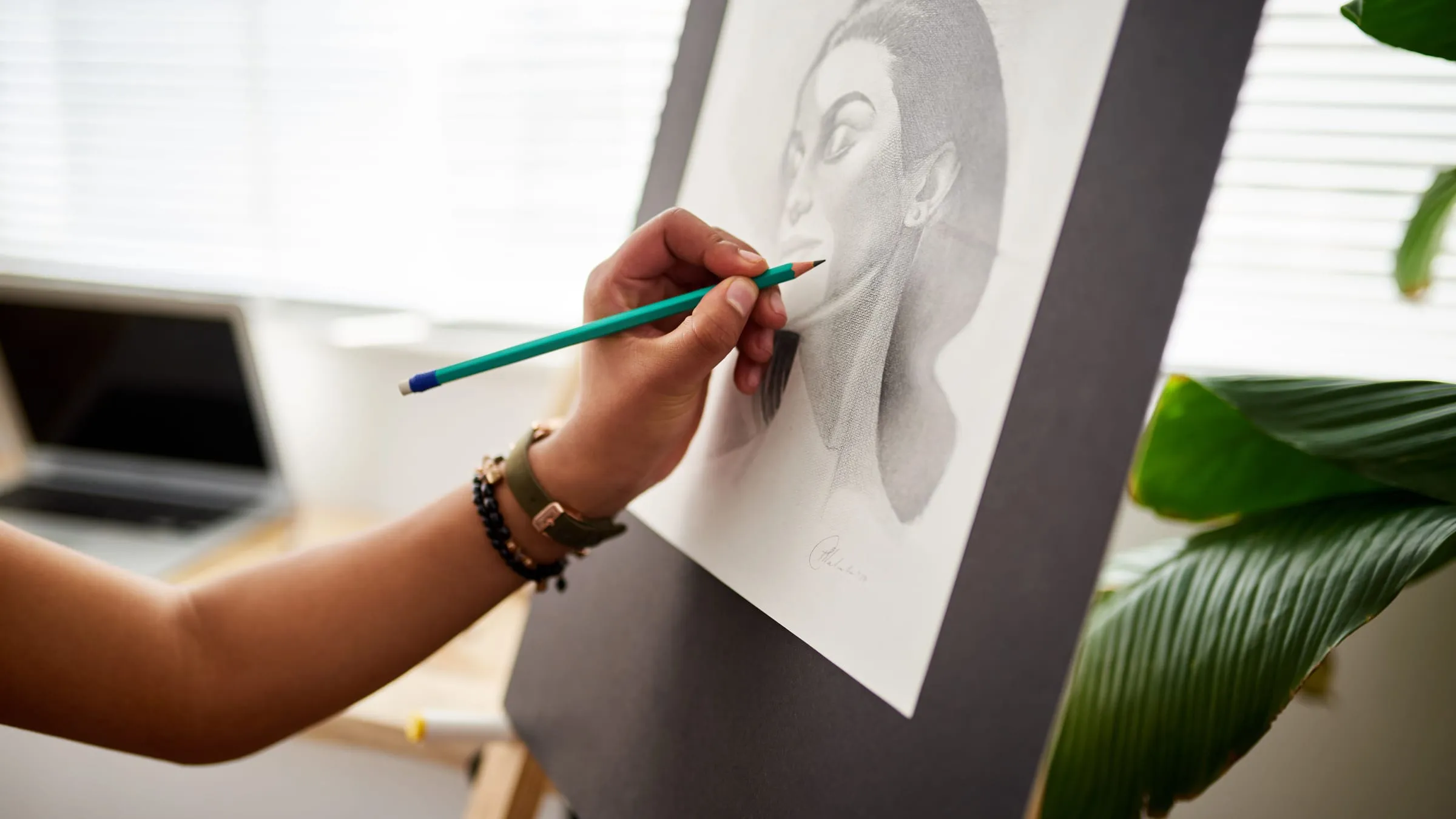
This is what we make. Our soulmate sketch starts from your answers to seven quick questions and returns one portrait in a pencil-sketch style, plus a short reading. The questions are the ones a friend might ask: who we should draw, roughly what age they should look, what draws you to someone first, where you feel most at home, where your heart is right now, and, if you like, a skin tone. Your birthday is used for the reading, as month and day only, never the year.
Where a quiz gives you a label and a chatbot gives you words, a portrait gives you a face. Faces are useful for one reason: you react to them quickly. A portrait that feels warm, or not quite right, tells you something about what you are looking for.
We say how it is made once, here. Portraits are created with AI image tools in our pencil-sketch style, and readings are composed with AI writing tools. The face is imagined, not predicted, and not a real person. It is for entertainment and reflection.
The four ways side by side
| Way | What you give it | What you get back | What it cannot do |
|---|---|---|---|
| A quiz | Answers to a set list of questions | A label or a short description | Know anyone real |
| Astrology | Your birthday | Sun-sign traits and traditional matches | Say what anyone looks like |
| An AI chatbot | A description of your tastes | Words, shaped by what you typed | Show a face, or know a person |
| A portrait from your answers | Answers about what draws you to someone | An imagined face in one consistent style | Predict a real person |
None of these is better than the others. They answer different questions, and you can use more than one. Many people start with a quiz for fun, then want something they can look at for longer than a minute.
A soulmate does not have to be romantic
The dictionary definitions leave room for friends. Merriam-Webster says a soulmate is “a close friend or romantic partner,” and mindbodygreen quotes a psychotherapist who says soulmates are not always romantic. If you picture a soulmate as a friend, the portrait works the same way: it shows a face that fits the warmth, the age and the setting you chose. The quiz asks who we should draw and roughly what age, and where your heart is right now, from single and open to happily taken and just curious, so it suits people in very different places.
What your answers change in a portrait
The main choices are the ones you can see in the quiz. Who we draw is your choice: a man, a woman or a non-binary person, and we always draw the person you choose. The age is your choice too, from their twenties to sixty or over. The mood of the portrait follows what draws you to someone first, such as a warm laugh, kind eyes, a calm voice or a curious mind, and where you feel most at home, from city streets to a cabin in the mountains.
The smaller details, such as hair, expression and clothing, are shaped by your answers too, so two people who answer differently get portraits that feel different, while every portrait keeps the same pencil-sketch style. The steps are on how it works, and the sample reading shows how a reading sits beside a portrait.
Example portraits
These are examples we made from short sample answers. They are not orders from real people, and none of them shows a real person. Each caption is the set of answers behind it, not a description of who anyone will meet.
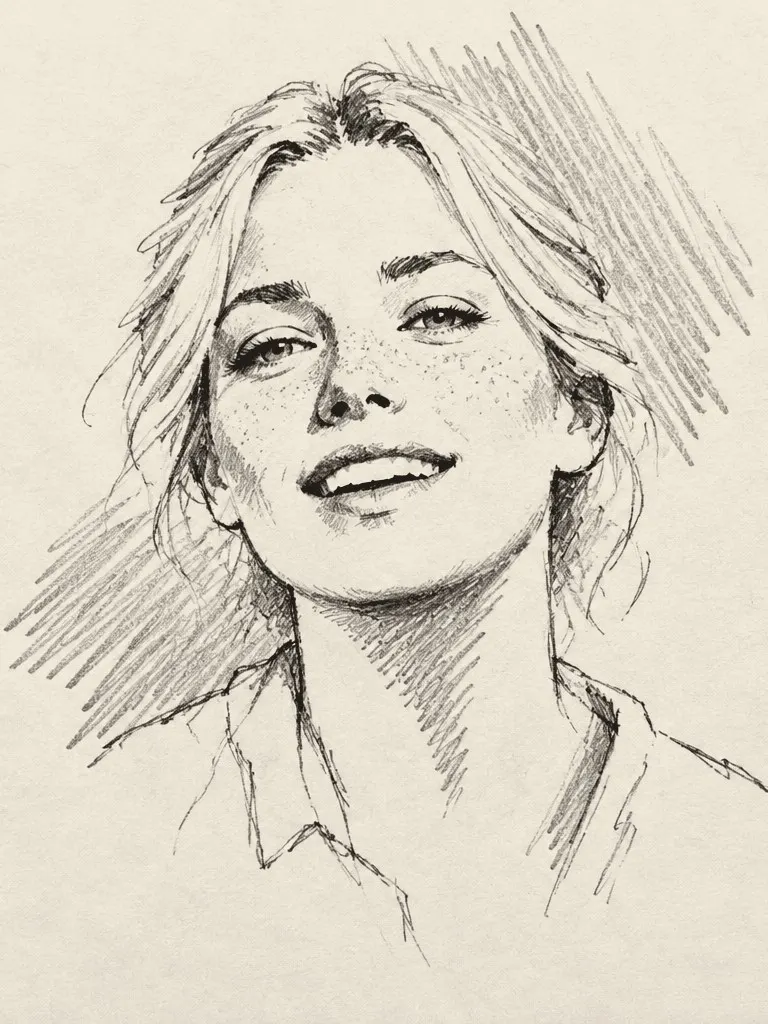 Example portrait
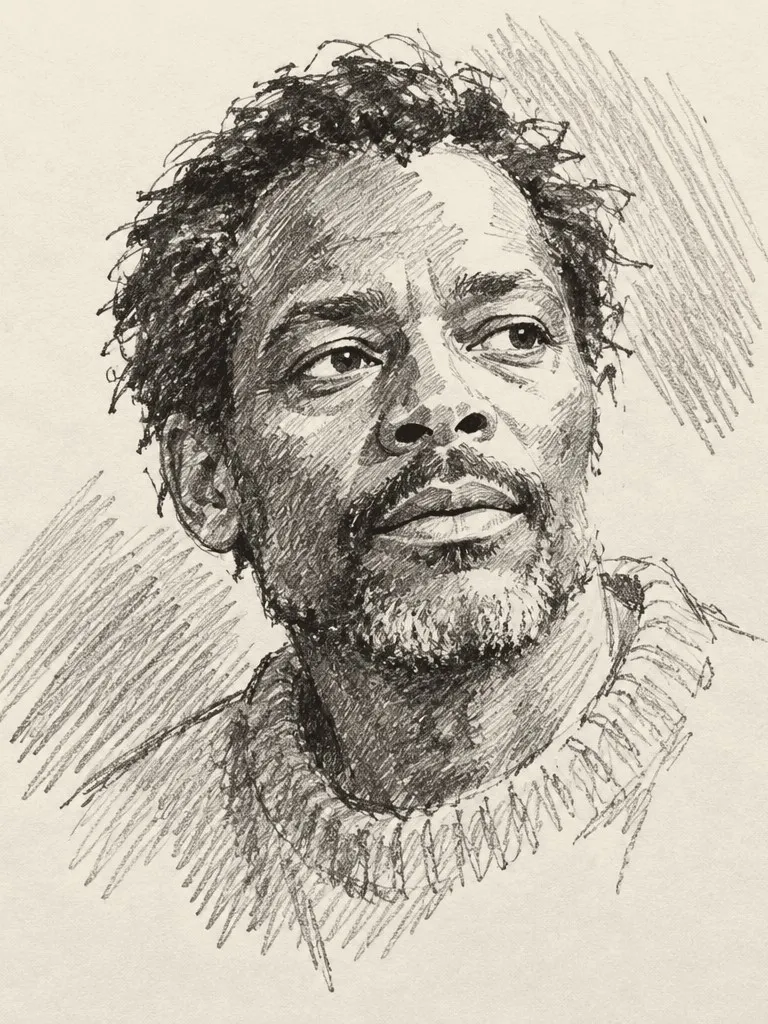 Example portrait
Look at what each one makes you feel, not at whether it matches a face in your head. If one feels calm and another feels lively, that is a clue about what you enjoy in company.
How to read a portrait
A portrait is easiest to enjoy if you know what to look for. A few questions help.
- What is the first feeling? Before you judge the face, notice whether it feels calm, lively, kind or serious. That first reaction is the most honest information the picture gives you.
- Which choice do you recognize? If you picked “a warm laugh” or “a calm voice” as what draws you first, does the expression carry it? Sometimes it does, and sometimes another answer seems to show up more.
- What would you change? If you would want different hair, a different age or a different mood, that is useful too. It tells you what you would put in a second version.
- Is it a type or a person? Portraits like this show a kind of person. They do not show a specific one, and it is worth remembering that when you compare the picture with people you know.
If you are curious what the reading beside the portrait sounds like, the sample reading is a full example.
What a portrait cannot do
It cannot tell you that you will meet someone, when, or where. It cannot describe a real person, and it should never be used to decide whether a real person is right for you. It is not a diagnosis of your love life, and it does not replace time spent getting to know someone. We say this plainly because it is the one point that matters most: the face is imagined, and the person who matters will turn up in how they treat you, not in how closely they match a drawing.
Getting more out of any picture
A few habits turn a fun exercise into something that lasts.
- Write down what you noticed. Not the face, but the feeling: warm, calm, funny, serious. That description will still be true when the image is long forgotten.
- Separate looks from qualities. People often care more about how someone treats them than about how they look. Our guide to the signs you met your soulmate sets out the qualities people describe, and what none of them prove.
- Keep it light. A picture is a prompt, not a promise. If a real person does not look like your portrait, that says nothing about them.
- Ask the wider question. If you want to think about who you are looking for, and not only what they look like, who is my soulmate covers five honest ways to look for the answer.
If you would like to picture a husband or a wife in particular, our piece on what will my future husband look like goes through the same ideas with that question in mind.
Try it yourself
If you would like a face to go with your answers, you can start your sketch. It takes about a minute. It is $19, paid once, no subscription, and it arrives by email, usually within minutes and always within 24 hours. Each portrait is made to order, so the sale is final once creation starts. If yours does not arrive or is faulty, we make it again, or refund you if we cannot deliver it.
Common questions
What does my soulmate look like picture free?
Free options exist: quizzes that give you a description, and picture generators that return an imagined face. None can show a real person, and the results are for fun. A free picture usually starts from a few choices you make, so the more honestly you answer, the closer it feels to what you like.
Who is my soulmate picture?
A soulmate picture is an imagined portrait of the kind of person you might feel drawn to. It is made from your answers, not from a real person, so it cannot name anyone. Its use is reflective: seeing a face can make it easier to notice what you value, such as a warm laugh or kind eyes.
Is there a quiz that shows what my soulmate looks like?
Yes, many quizzes describe or picture a soulmate, and people search for them often. They work from your answers, so the result reflects your tastes. Marriage.com describes its own future-husband quiz as 'a playful glimpse into your ideal match' with 'no exact science,' which is the right way to take any of them.
Can a portrait predict what my soulmate looks like?
No. A portrait shows an imagined face built from your answers, not a forecast and not a real person. Its value is that it gives you something concrete to react to. If a face appears that you like or dislike, that tells you something about your own tastes, and that is the useful part.